.svg)
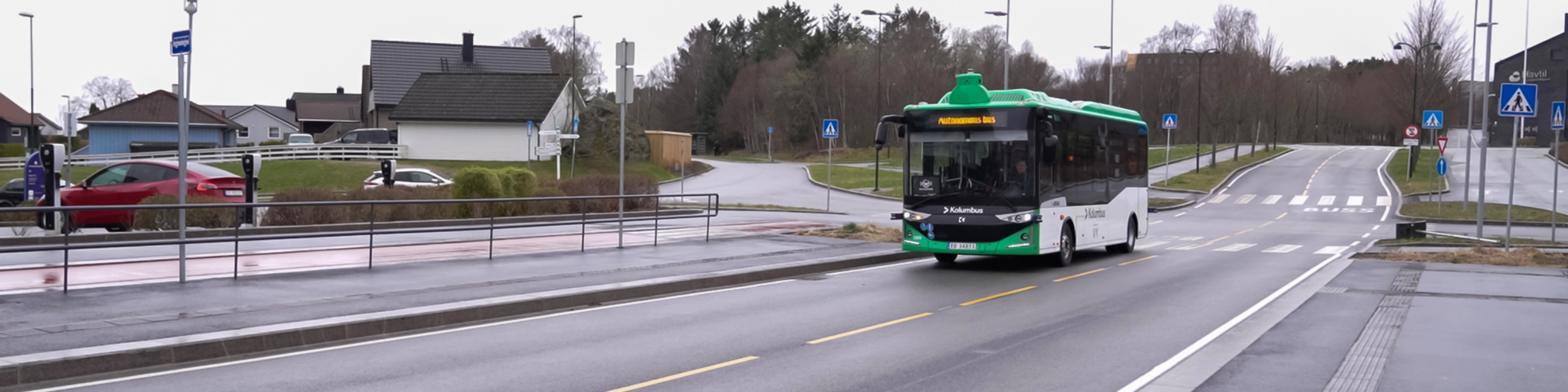
Unsupervised Autonomous Scheduled Bus: Stavanger Launches Europe's First Regular Service Project
Image: (c) AppliedAutonomyAS
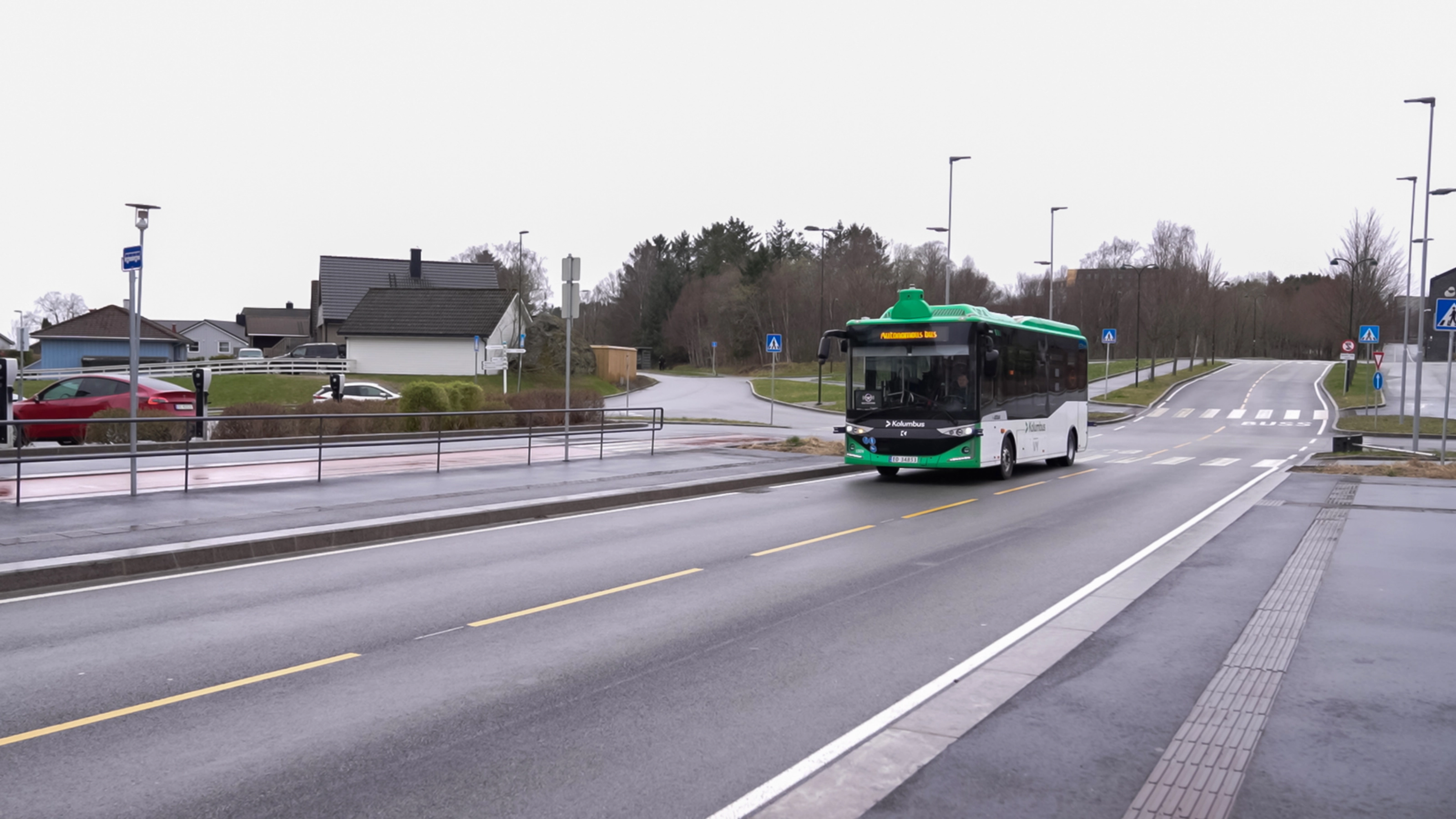
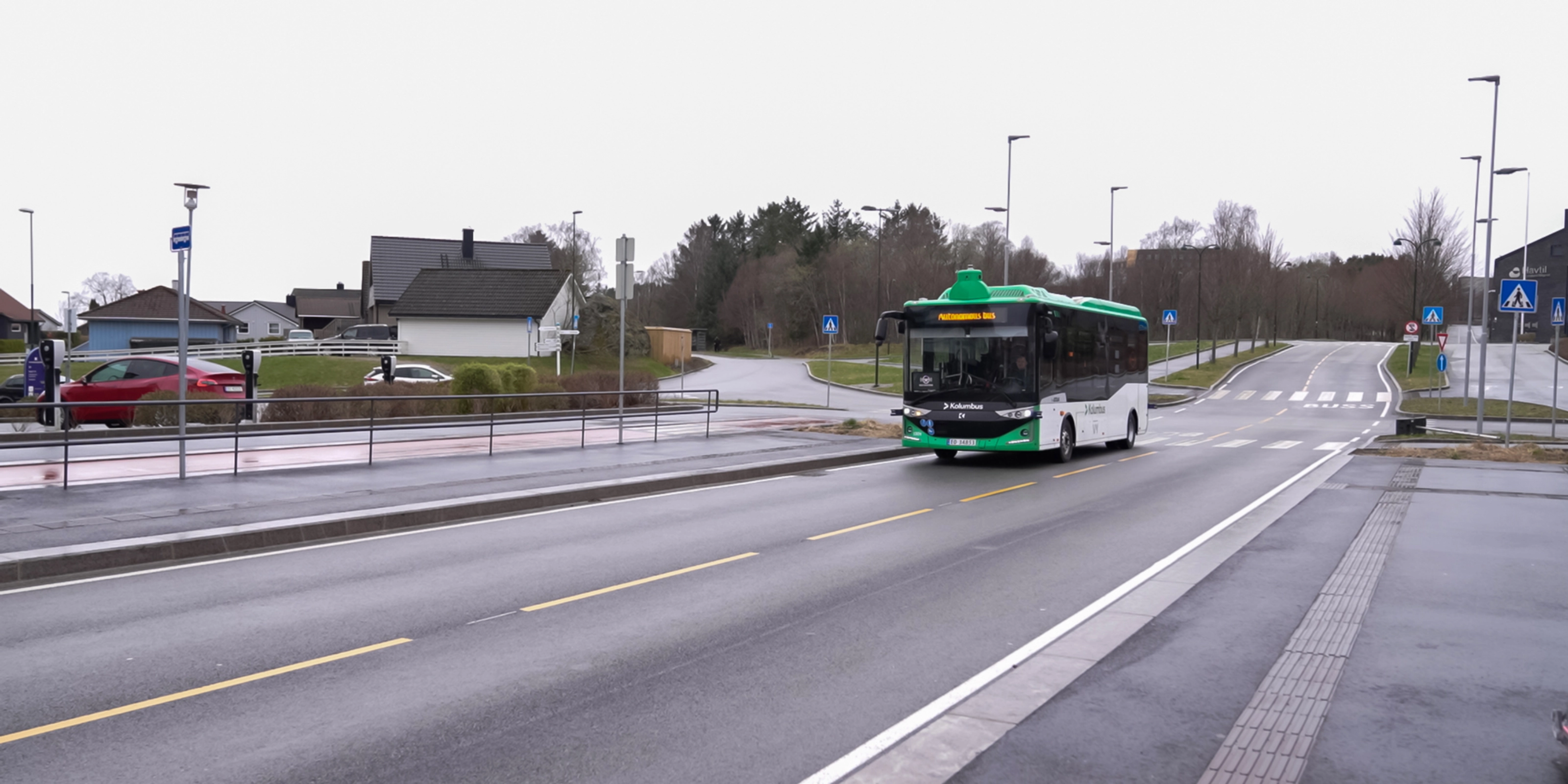
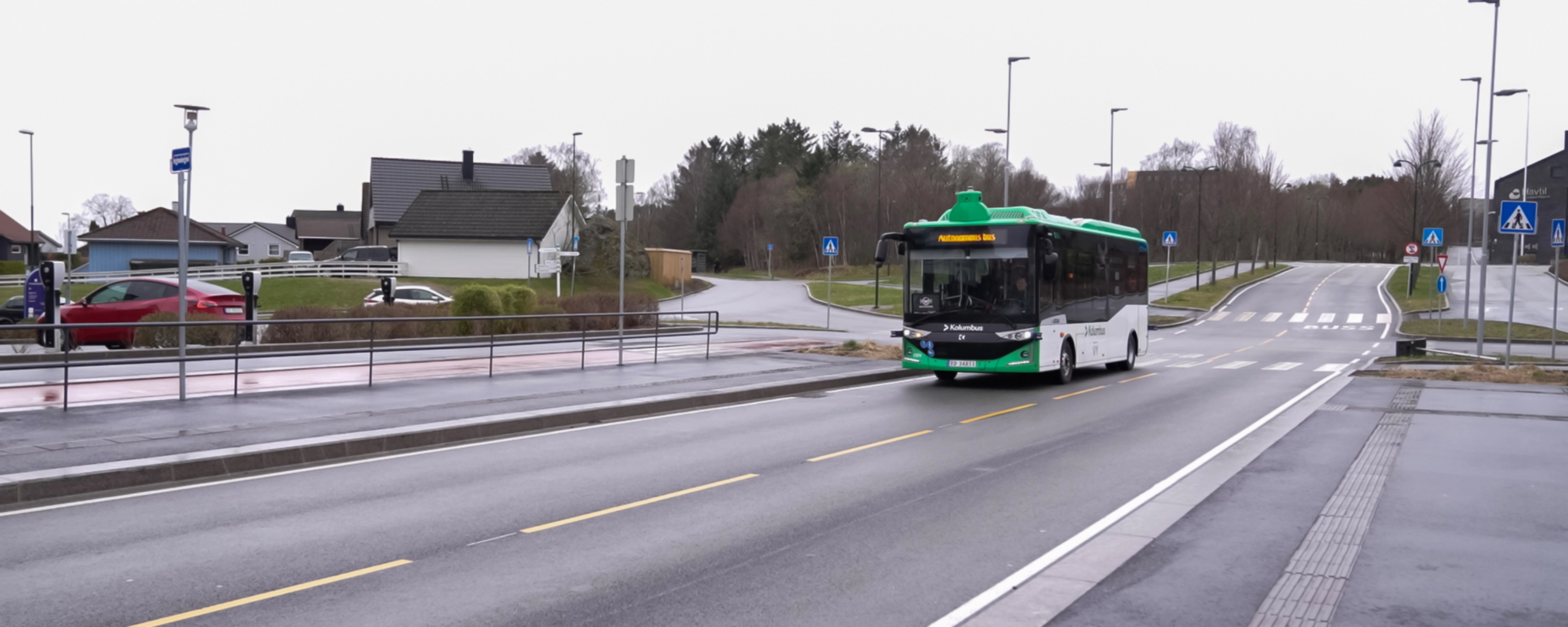
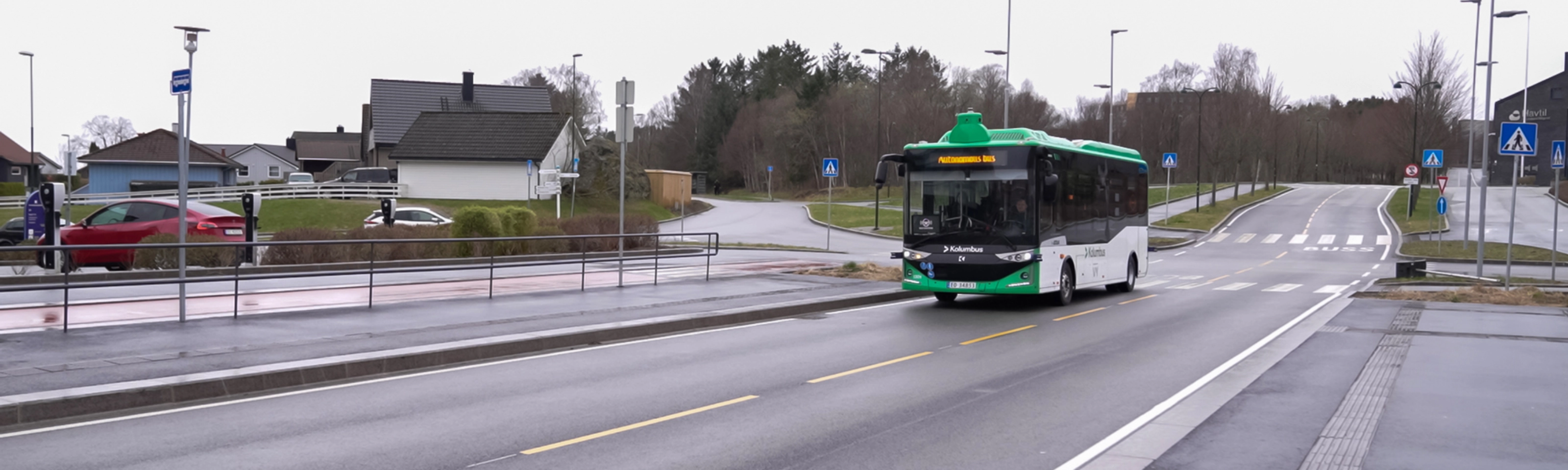
The Norwegian city of Stavanger is becoming a pioneer in autonomous mobility: for the first time in Europe, a scheduled bus is permitted to operate in regular service without a supervisor on board. Approval was granted in April 2026 by the Norwegian Public Roads Administration, marking a decisive step from pilot project to everyday use in public transportation.
The Norwegian city of Stavanger is becoming a pioneer in autonomous mobility: for the first time in Europe, a scheduled bus is permitted to operate in regular service without a supervisor on board. Approval was granted in April 2026 by the Norwegian Public Roads Administration, marking a decisive step from pilot project to everyday use in public transportation.
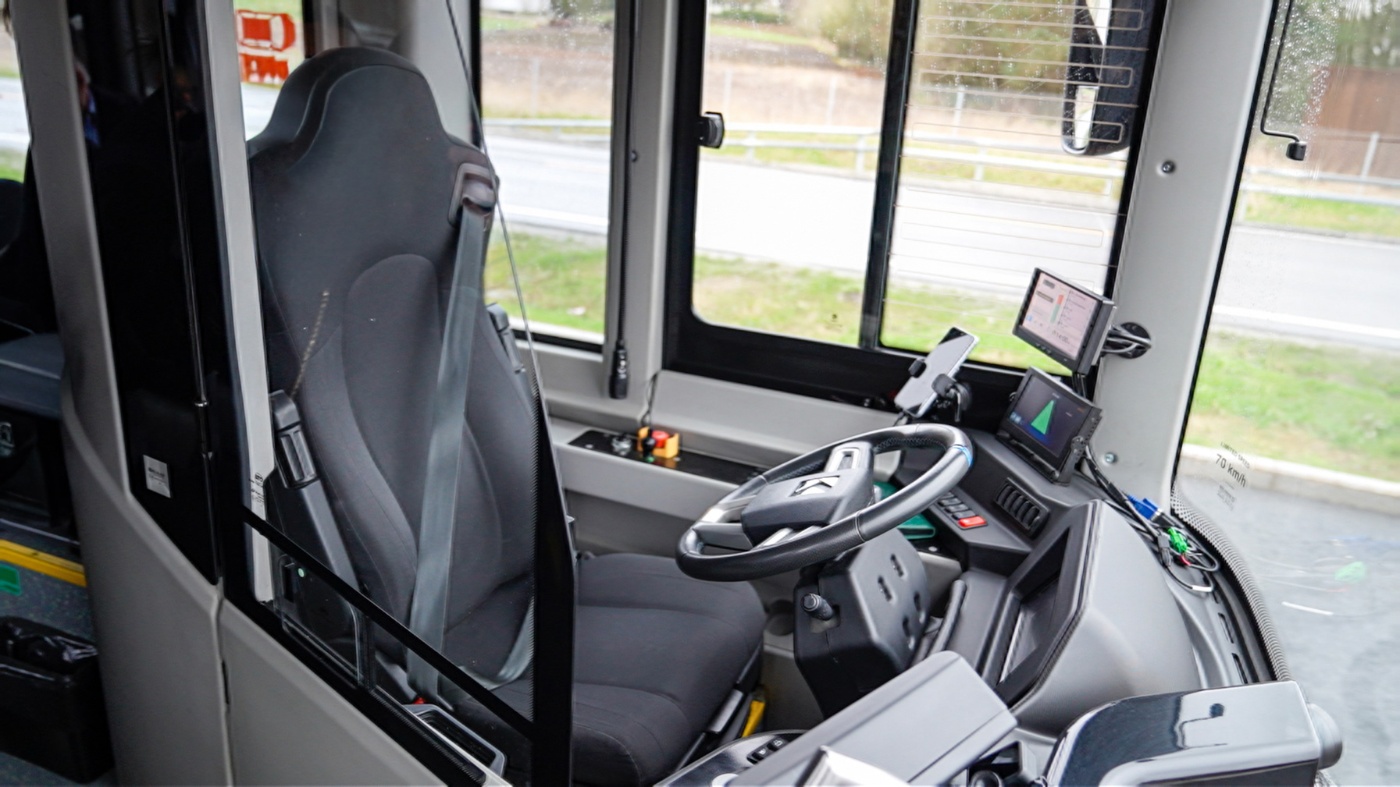
The project is the result of several years of development. An initial test line started in the city center back in 2022—at that time still with safety personnel on board. The route covered 2.6 kilometers, multiple stops, and challenging traffic situations such as roundabouts and pedestrian crossings.
Based on this experience, operations were gradually expanded to include higher speeds, more complex routes, and additional sections like tunnel passages. With the current permit, the requirement for an on-board attendant has been eliminated for the first time—a paradigm shift for public transit in Europe.
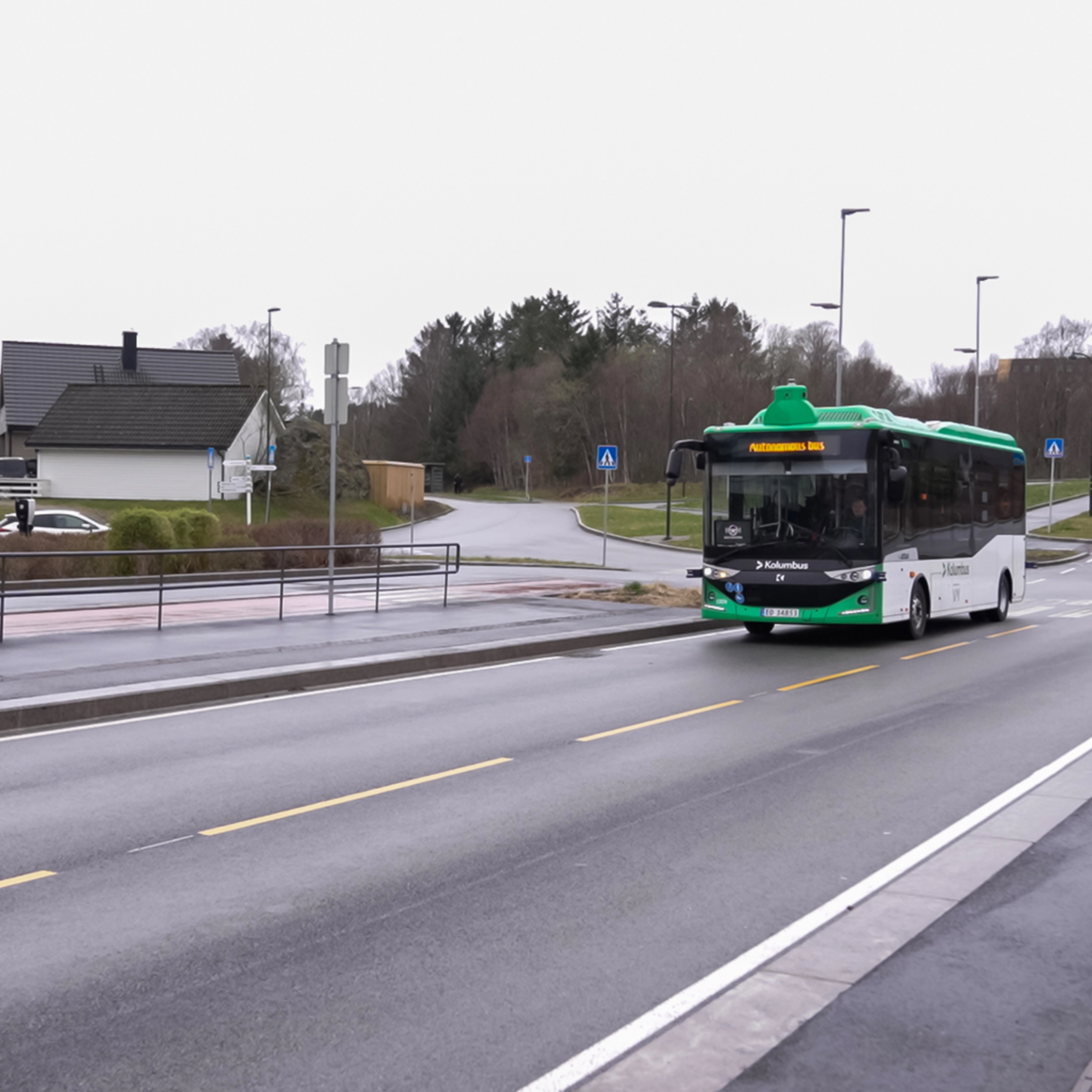
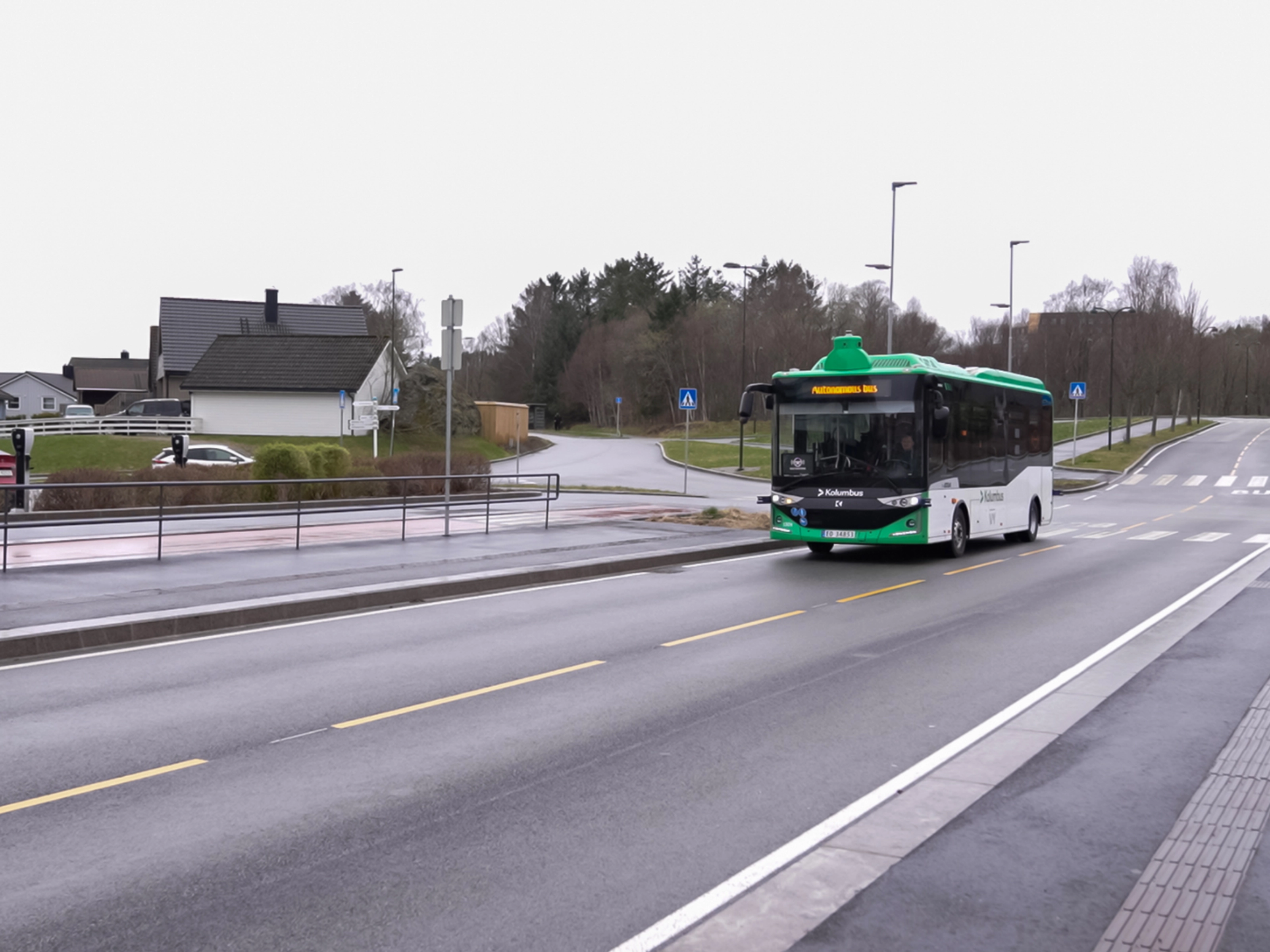
An electric Karsan e-ATAK midibus is being used to navigate autonomously through city traffic. The route runs through complex urban environments, including a roughly 800-meter-long tunnel, and is operated in normal mixed traffic. The vehicles reach speeds of up to 40 km/h (approx. 25 mph), bringing them much closer to real-world scheduled operations than previous pilot projects.
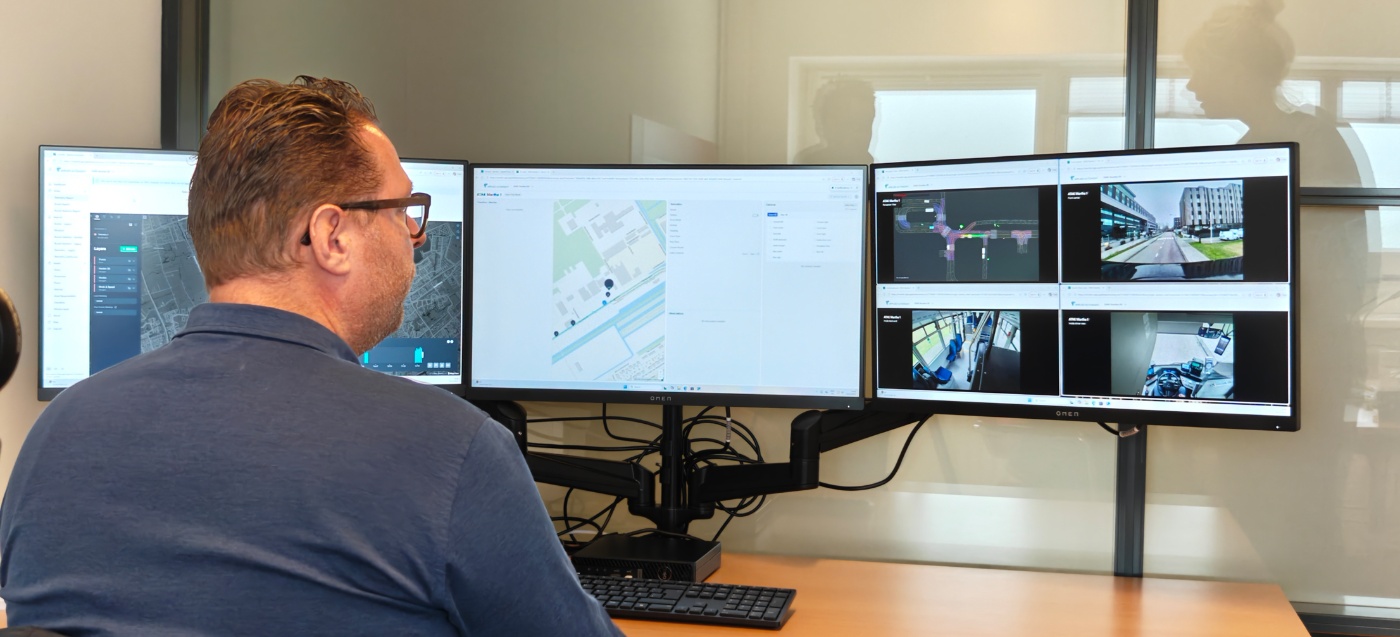
Central to driverless operation is the "xFlow" platform from the company Applied Autonomy. It connects the bus, control center, and passengers, enabling permanent remote monitoring. Staff in the control center can intervene if necessary and manage multiple vehicles simultaneously. This concept is considered a crucial lever for scaling autonomous fleets, as it reduces staffing requirements while ensuring operational safety.